

I would like to thank Tim Saunders (fellow poet and bryntynn Cornish speaker) for putting me in the way of the Englyn (plural: Englynyon), an ancient Celtic verse form. This form of poetry, which I might liken to a Celtic haiku, has been widely represented in the Welsh language, but as Cornish scholars would inform you, the virtual destruction of the Cornish language through the Dissolution of the Monasteries meant that little remained of written Cornish for us to discover Cornish versions.
There are many different forms of englynyon, too many to go through here (but I could recommend Englyn – Wikipedia to further enlighten you), but Tim wrote the following about a particular type of englyn – the besonnten.
“Disciplined and ideal for crystallising experience and focusing reflection. The poems are in the measure called the besonnten (little bezant). It has fifteen syllables, one for each of the fifteen golden bezants on the black Cornish shield.”
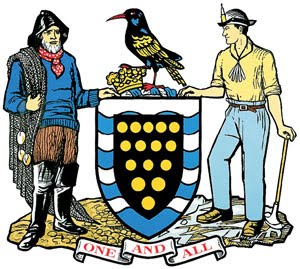
Let’s look at the crest of the Cornish nation; I don’t call it ‘county’ because it never actually became one; I don’t like calling it a ‘duchy’ (although there is at least some history to this name that maintains a separation from England) because the Dukes of Cornwall have been plundering this land for hundreds of years as reported in the Channel 4 Dispatches programme https://www.channel4.com/programmes/the-king-the-prince-their-secret-millions/on-demand/77374-001
Those of you familiar with the Cornish coat of arms will see that it is supported by a fisherman and a miner, and is topped by a Cornish chough (for a long-time, choughs were not a presence on Cornish land despite their prominence on the crest of Cornwall, but they are quite a presence these days) and the aforementioned fifteen golden ‘balls’. The significance of these fifteen golden balls is uncertain as there are differing stories regarding the provenance on the shield. Now they could either represent gold coins (known as bezants because they came from the ancient city of Byzantium) that were a ransom paid to extricate a particular Duke of Cornwall from imprisonment by the Saracens after a Crusade. The people of Cornwall had to rise to the occasion to raise the money (it was ever thus) and they bailed the Duke out, ‘one and all’ and just to rub this in, this became Cornwall’s motto.
Personally, I prefer the story that King John wanted to pawn his crown jewels so he could raise an army on France. To do this he needed the help of five Jewish pawnbrokers who were Cornwall-based. Now the policy of these five Cornish pawnbrokers was that no business could be undertaken without a quorum of all five being present – ‘one and all’ became their motto. The pawnbrokers’ universal sign is three golden balls, and there were five of them making the fifteen of the Cornish crest. The idea that the crest of Cornwall derives from an organisation of five Jewish moneylenders, Ben Levi of Truro, Ben Ezra of Penzance, Moses of Mevagissey, (unfortunately the other two names are undecipherable on Manuscript CXLIX at the British Museum) well, it certainly appeals to my sense of humour and is much more palatable than a Duke of Cornwall once again taxing his ‘subjects’.
For each of the fifteen bezants, I have written a ‘little besant’ (besonnten) which is made up of three lines of five syllables – one for each bezant. Each one of these besonntennow (plural) invokes something of the nature of modern Cornwall, except one.
7. The Cornish Split
What is a Cornish Split? Put quite simply, it is an early incarnation of the ubiquitous Cornish cream tea. Before scones became the staple host, the people of Cornwall would serve up jam (first) and clotted cream on a soft, slightly-sweet bread bun (a much lighter, less stodgy experience) – The Cornish Split. A scone is a much more practical product to make (no proving or resting needed), those whose business revolved around producing high numbers of the Cornish confection took to the scone and the poor split was ousted from its previously preferential pedestal. On reading this particular besonnten, a number of Cornish folk reminisced on how they missed the Cornish Splits of their childhoods.
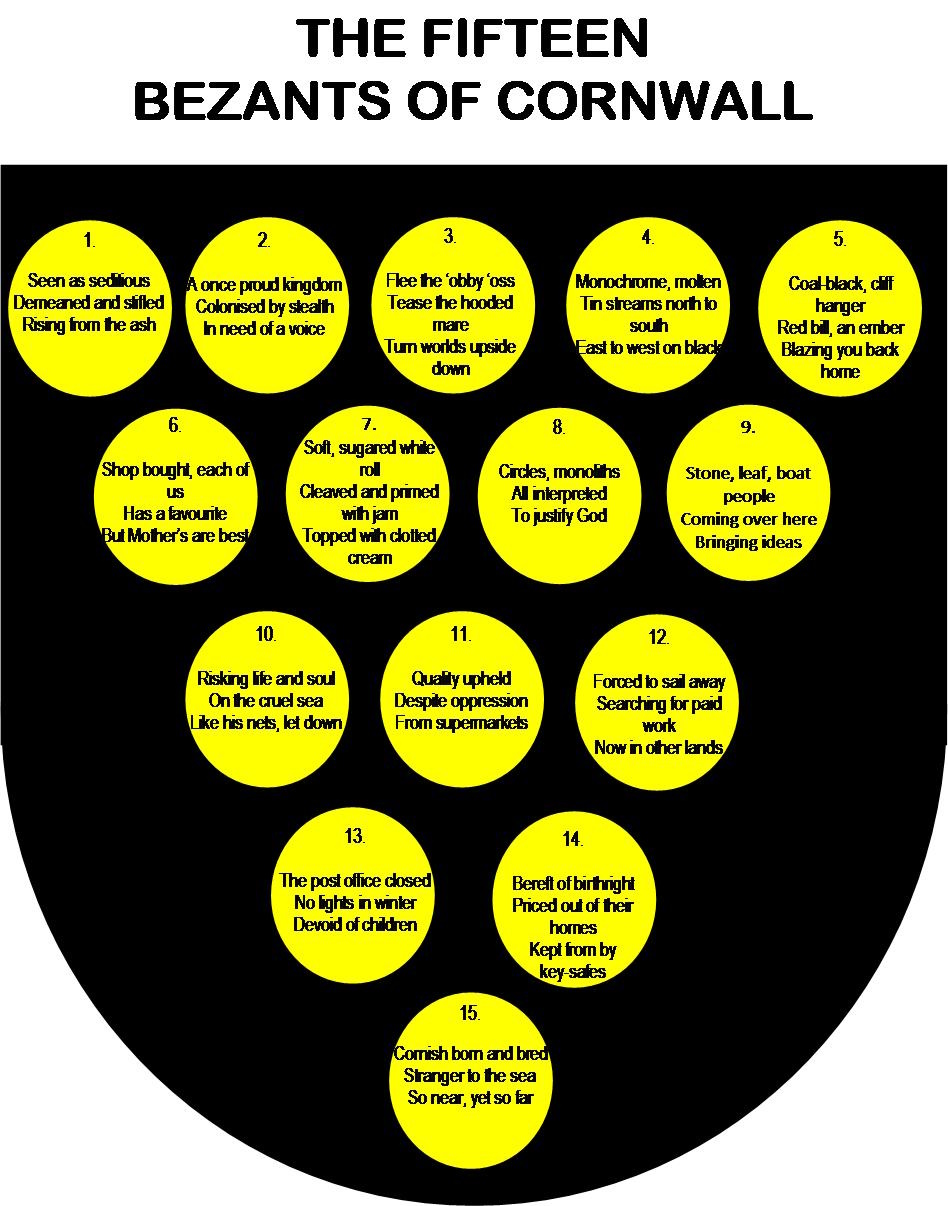
THE FIFTEEN BEZANTS OF CORNWALL
1. The Cornish Language
Seen as seditious
Demeaned and stifled
Rising from the ash
2: The Cornish Nation
A once proud kingdom
Colonised by stealth
In need of a voice
3: The Cornish Culture
Flee the ‘Obby ‘oss
Tease the hooded mare
Turn worlds upside down
4: The Cornish Flag
Monochrome, molten
Tin streams north to south
East to west on black.
5: The Cornish Chough
Coal-black cliff-hanger
Red bill, an ember
Blazing you back home
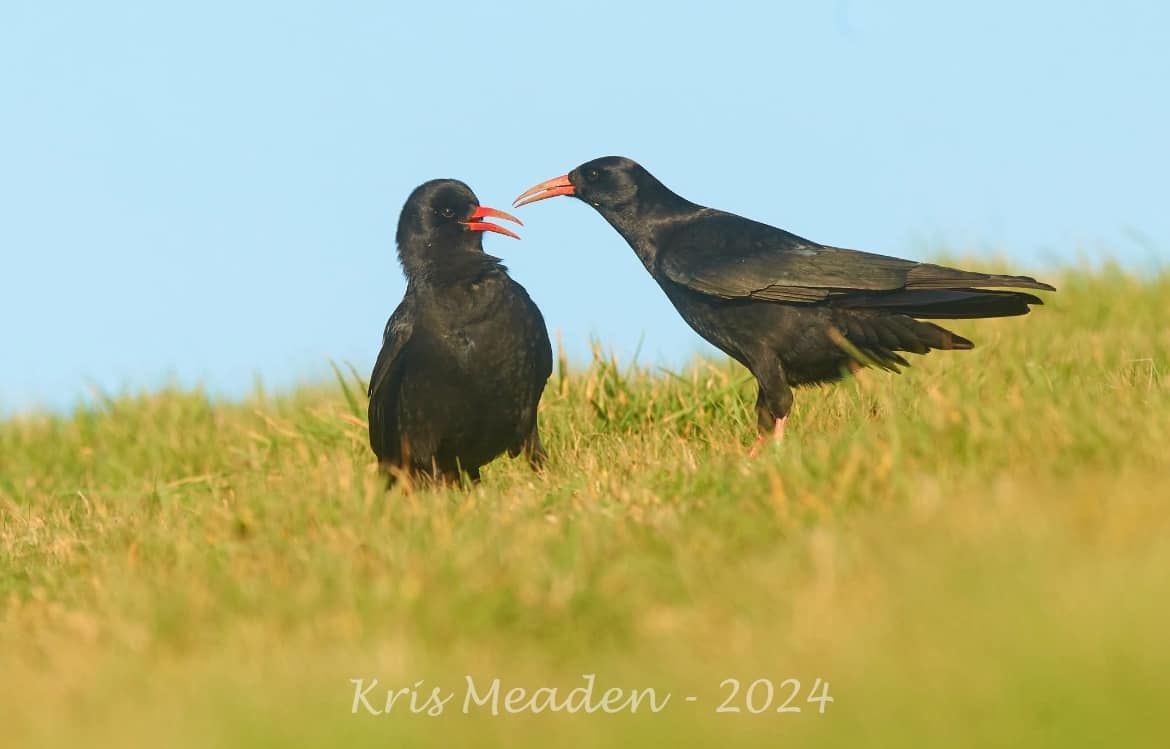
photo – Kris Meaden
6: The Cornish Pasty
Shop-bought, each of us
Has a favourite
But Mother’s are best
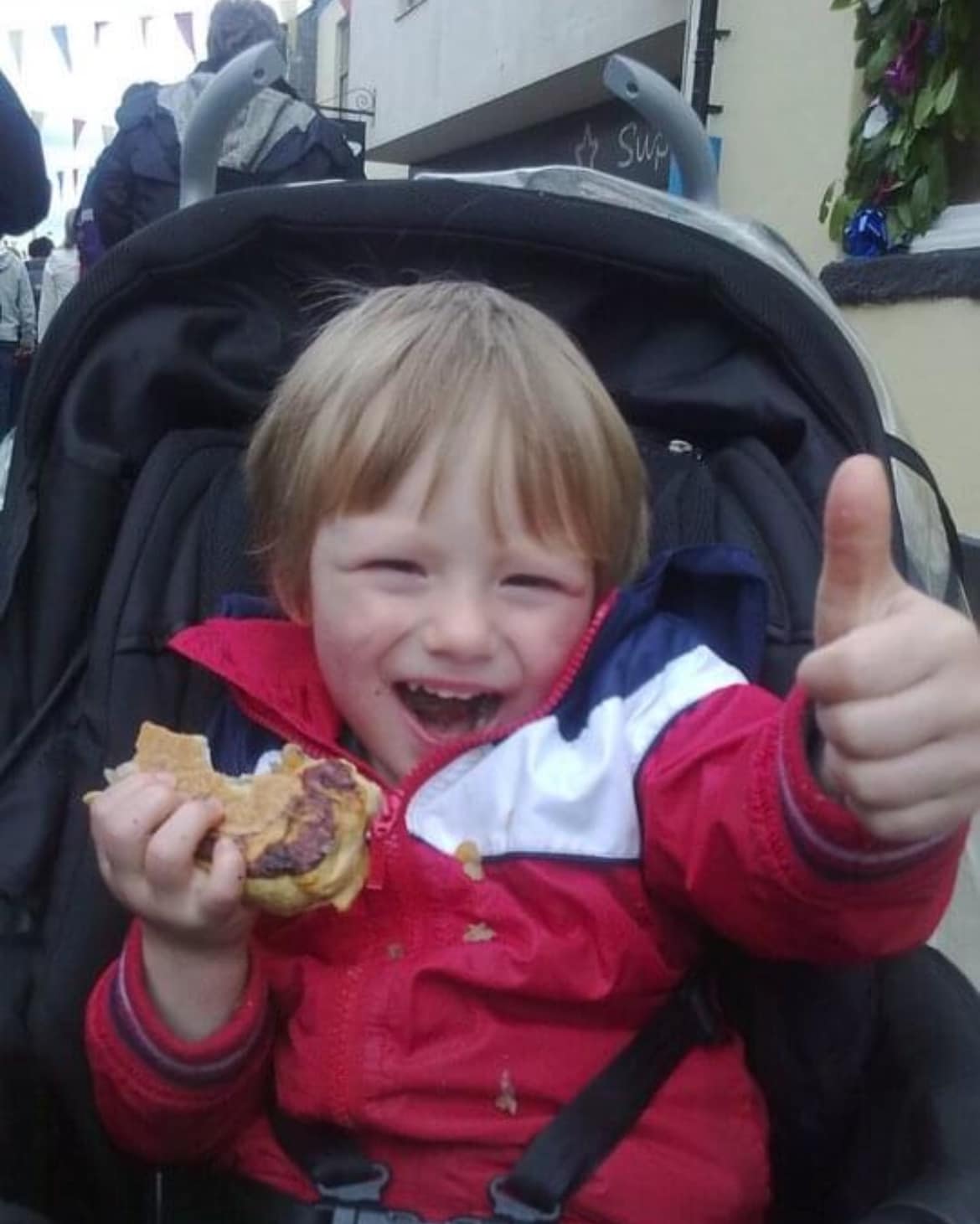
7: The Cornish Split
Soft sugared white roll
Cleaved and primed with jam
Topped with clotted cream
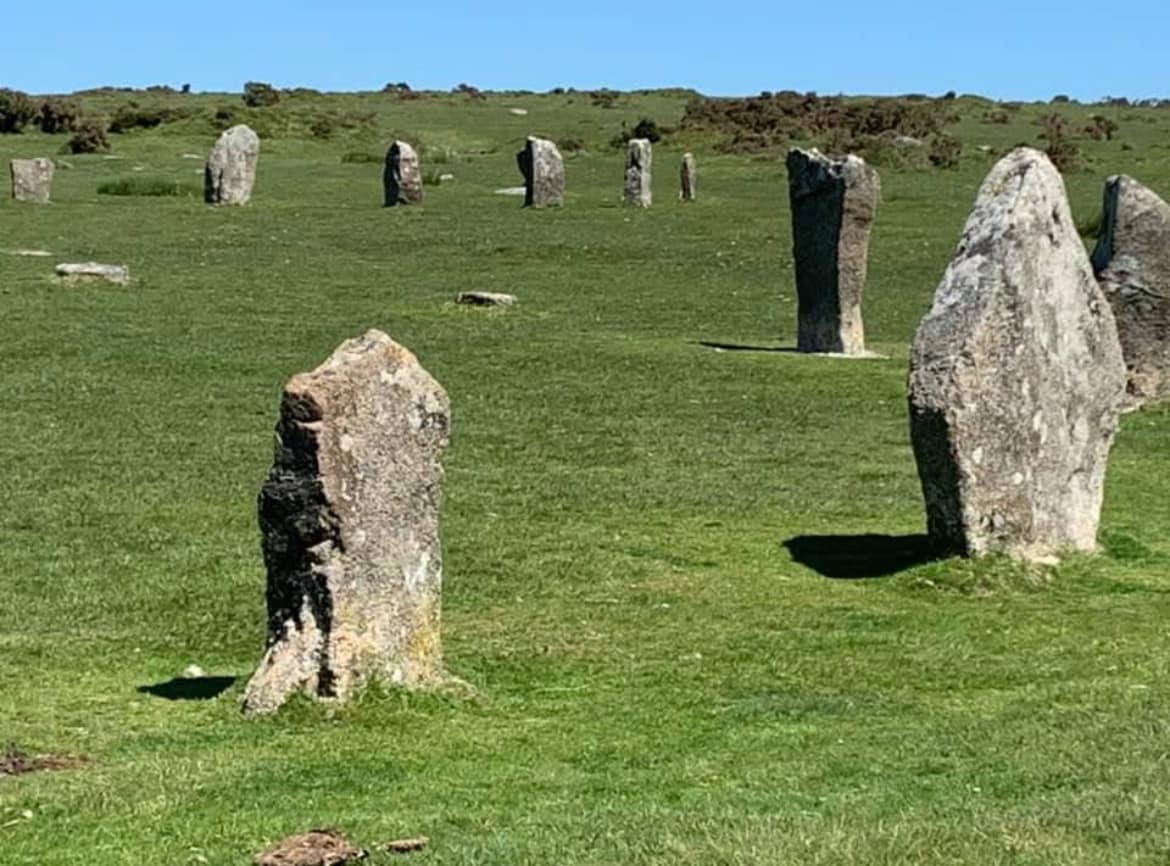
8: The Cornish Stones
Circles, monoliths
All interpreted
To justify God
9: The Cornish Saints
Stone, leaf, boat people
Coming over here
Bringing ideas
10. The Cornish Fisherman
Risking life and soul
On the cruel sea
Like his nets, let down
11. The Cornish Farmer
Quality upheld
Despite oppression
By Supermarkets
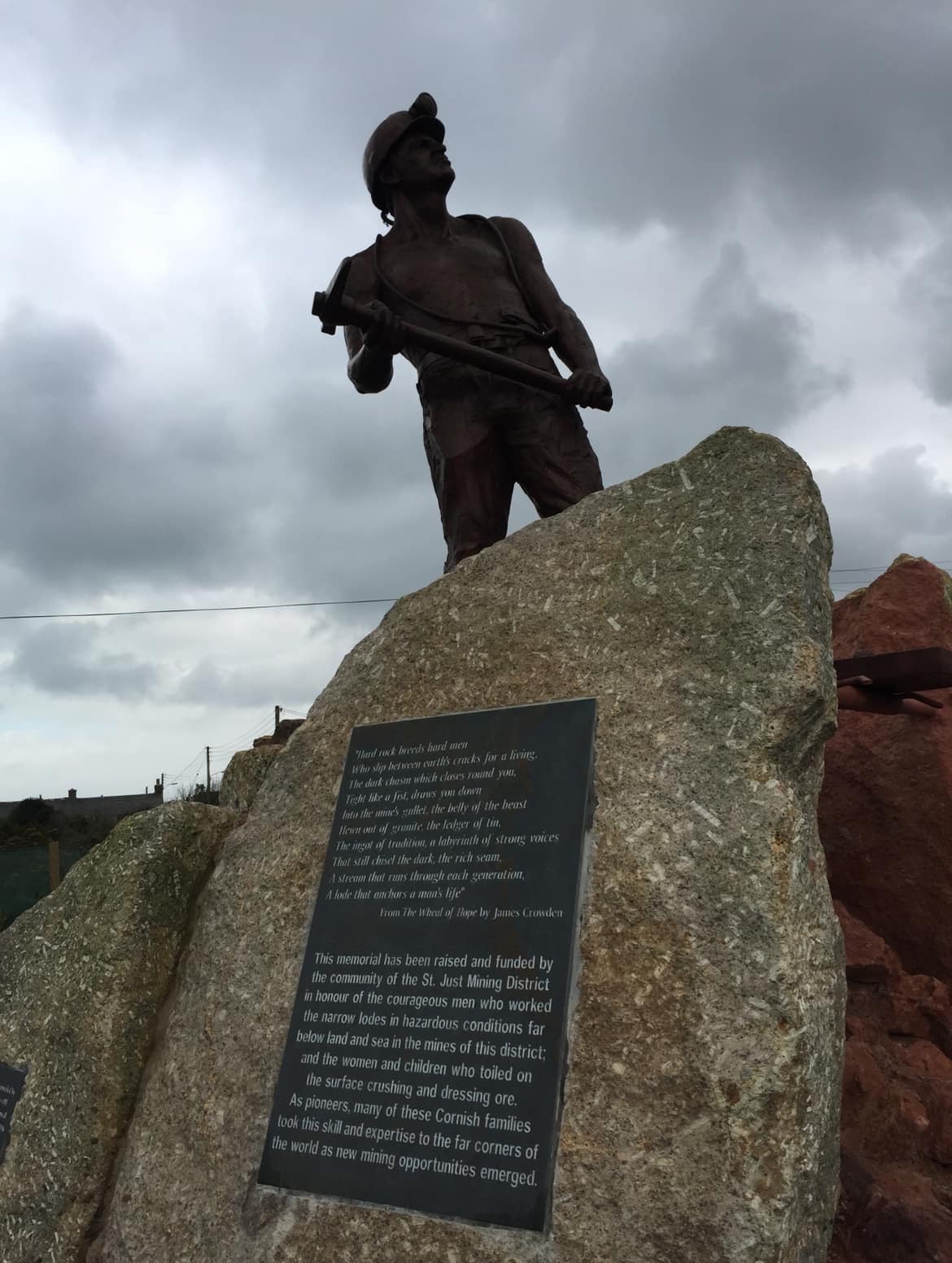
Forced to sail away
Searching for paid work
Now in other lands
13: The Abandoned Cornish Villages
The Post Office closed
No lights in winter
Devoid of children
14: The Cornish Family Dispossessed
Bereft of birthright
Priced out of their homes
Kept from by key-safes
15: The Cornish child who has never seen the sea
Cornish born and bred
Stranger to the sea
So near yet so far

photo – unknown
©graylightfoot
 gray lightfoot